


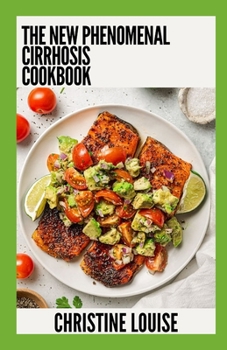
The New Phenomenal Cirrhosis Cookbook: Essential Guide With Healthy Recipes

A cirrhosis diet is designed to help people with cirrhosis who may become malnourished due to changes in their metabolism and digestion that occur as the liver becomes more damaged. As such, if you have this condition, what you eat and drink each day is especially important. Many foods to avoid with cirrhosis contain protein, sodium, and sugar that require your liver to work harder-a demand it may no longer be able to meet. The liver has more than 500 functions, making it one of the most vital organs.1 If your liver is damaged from cirrhosis, it is not able to efficiently perform one of its most important tasks: helping your body get nutrition from the food you eat. A cirrhosis diet can help provide adequate nutrition, reduce the amount of work your liver needs to do, thwart related complications, and prevent further liver damage. Research has shown that people with liver disease who aren't adequately nourished are more likely to experience complications from cirrhosis, including death.It's important to stick with your cirrhosis diet to prevent further liver damage. You can do this by following some general principles to help set yourself up for success.If you have cirrhosis, staying adequately nourished can be challenging. You may need to eat more or less of certain foods to ensure your body is getting the energy it needs.
Customer Reviews
ThriftBooks® and the ThriftBooks® logo are registered trademarks of Thrift Books Global, LLC
