


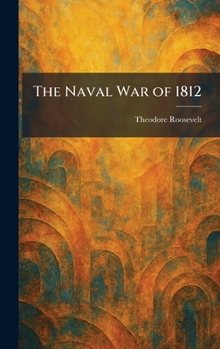
The Naval War of 1812


Select Format
Select Condition 
Book Overview
"The Naval War of 1812" is a definitive historical account of the maritime conflicts between the United States and Great Britain during the early nineteenth century. Written by Theodore Roosevelt, this meticulously researched work provides a detailed analysis of the naval engagements that shaped the young American nation's identity on the high seas.
The text examines the technical aspects of naval warfare, comparing ship armaments, crew discipline, and tactical maneuvers with remarkable objectivity. Roosevelt moves beyond mere chronological reporting to offer a critical evaluation of both the American and British navies, highlighting the strengths and weaknesses of each side. From the famous duels between frigates to the decisive fleet actions on the Great Lakes, the book captures the strategic importance of naval supremacy during this pivotal conflict.
Celebrated for its rigorous scholarship and clear prose, "The Naval War of 1812" remains a cornerstone of American military history. It offers readers a profound look at the courage of the sailors and the complexity of the maritime operations that helped secure American sovereignty and established the United States as a rising power on the world stage.
This work has been selected by scholars as being culturally important, and is part of the knowledge base of civilization as we know it. This work was reproduced from the original artifact, and remains as true to the original work as possible. Therefore, you may see the original copyright references, library stamps (as most of these works have been housed in our most important libraries around the world), and other notations in the work.
This work is in the public domain in the United States of America, and possibly other nations. Within the United States, you may freely copy and distribute this work, as no entity (individual or corporate) has a copyright on the body of the work.
As a reproduction of a historical artifact, this work may contain missing or blurred pages, poor pictures, errant marks, etc. Scholars believe, and we concur, that this work is important enough to be preserved, reproduced, and made generally available to the public. We appreciate your support of the preservation process, and thank you for being an important part of keeping this knowledge alive and relevant.
Customer Reviews
A True Classic
Three Cheers for America!
Roosevelt's inimitable style
TR makes the grade as an author and a scholar
ThriftBooks ® and the ThriftBooks ® logo are registered trademarks of Thrift Books Global, LLC
