


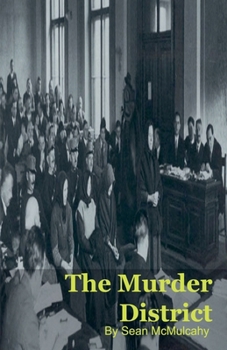
The Murder District

The Murder District
In the isolated villages of Hungary's Tiszazug plain, between 1911 and 1929, something extraordinary and terrible took root. A village midwife named Zsuzsanna Fazekas, known to her neighbours simply as Auntie Suzy, began supplying the women of Nagyr v with a colourless, odourless preparation distilled from arsenical flypaper. Over eighteen years, she dispensed it freely, and the women used it freely, and the men of the village died in numbers that the county clerk recorded as natural causes and the local barber prepared for burial without comment.
By the time Hungarian gendarmes arrived in the summer of 1929, between forty-five and three hundred people were dead. The forensic investigation that followed would become a landmark in the history of toxicology. The trials that came after would shock the world.
But The Murder District is not simply a true crime narrative. It is a forensic examination of the world that made the Angel Makers possible, the land hunger, the legal imprisonment of marriage, the trauma of the Great War, the silence of a community that had decided, collectively and over decades, that some deaths were nobody's business but its own. This is the story of what happens when a society denies its women every legitimate exit, and one woman decides to provide an illegitimate one.
Related Subjects
True CrimeCustomer Reviews
ThriftBooks ® and the ThriftBooks ® logo are registered trademarks of Thrift Books Global, LLC
