


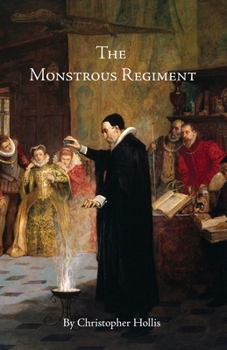
The Monstrous Regiment
No Customer Reviews

Select Format
Select Condition 
Book Overview
The book is "about Queen Elizabeth"; it is not a portrait; nor is it a "study." It is rather a series of vignettes, thumbnail sketches of a number of characters who figured on the English stage in the sixteenth century-and left it worse than they found it . . . The "Catholic Problem" as here presented is one which every Catholic who is proud of our Martyrs should read if he would grasp the nature of the mental trial they went through.
-from Blackfriars magazine, January 1930
Format:Paperback
Language:English
ISBN:1962503143
ISBN13:9781962503143
Release Date:February 2026
Publisher:St. Aidan Press, LLC
Length:204 Pages
Weight:0.53 lbs.
Dimensions:0.5" x 5.5" x 8.5"
Customer Reviews
0 rating
Copyright © 2026 Thriftbooks.com
Terms of Use | Privacy Policy | Do Not Sell/Share My Personal Information | Cookie Policy | Cookie Preferences | Accessibility Statement
ThriftBooks ® and the ThriftBooks ® logo are registered trademarks of Thrift Books Global, LLC
ThriftBooks ® and the ThriftBooks ® logo are registered trademarks of Thrift Books Global, LLC
