


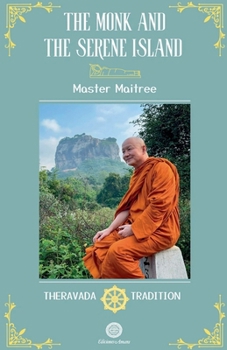
The monk and the Serene Island

The uninstructed person, when experiencing pain, laments, grieves, and despairs. It is as if he were struck by two arrows: one physical and the other mental.
But the instructed disciple, when experiencing pain, neither laments nor grieves. He receives only one arrow, not two.
Samyutta Nikaya 36.6, Pali Canon.
Mental development is not a competition with others, but an inner journey that requires perseverance, patience, and honesty with oneself. Some days you'll feel like you're making progress; other days, like you're regressing. Don't give up. As long as there is will, there is always the possibility of reaching the goal. When we tend to the mind with constancy, the heart gradually transforms: from hardness to gentleness, from restlessness to serenity, from distrust to trust in the law of cause and effect. This transformation is not always evident, but it is profound and lasting.
The Middle Way is balance, moderation, and harmony. It is neither excess nor deficiency, but the path that leads to the cessation of suffering. Practicing "neither too tense nor too relaxed" allows life to move toward balance and true happiness. Understanding impermanence allows us to let go. Everything -both the good and the bad- will eventually fade away. Accepting that everything arises, remains, and disappears opens the door to a light, free, and profound happiness.
Customer Reviews
ThriftBooks ® and the ThriftBooks ® logo are registered trademarks of Thrift Books Global, LLC
