


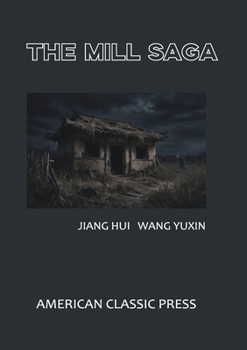
The Mill Saga

The Mill Saga is a traditional Dabenqu ("Grand Narrative Song") of the Bai ethnic group in Dali, Yunnan Province, China. As a representative work of Bai narrative singing, it reflects the adaptation of Han Chinese operatic motifs and dramatic conventions within Bai folk aesthetics, local customs, and moral values.
Set in Lan Village, Weinan County, Shaanxi Province, the ballad centers on the Lan family. During her husband's absence, the cruel stepmother Qiao-shi abuses her daughter-in-law Wang-shi and attempts to burn her alive in the mill. Qiao-shi's son, Lan Jizi, rescues Wang-shi and hides her. Qiao-shi pursues them, fabricates evidence, and falsely accuses Wang-shi of murder Jizi. Wang-shi is imprisoned and gives birth to a son.
Meanwhile, Jizi is forced to Yunnan as a sedan-chair bearer and, when begging on the streets of Dali, is reunited with his two elder brothers, now generals in the campaign against the White King rebellion. The family is finally reunited and justice restored.
Through its dramatic moral contrasts, The Mill Saga condemns cruelty, greed, and false accusation while affirming filial piety, loyalty, compassion, and family unity. It remains a significant work of Bai folk literature, valued for its narrative power and moral insight.
Customer Reviews
ThriftBooks ® and the ThriftBooks ® logo are registered trademarks of Thrift Books Global, LLC
