


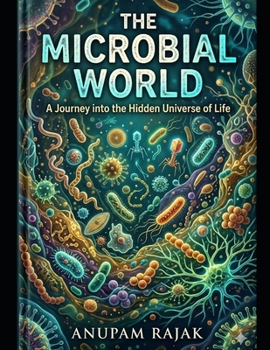
The Microbial World

This chapter introduces microbiology as the study of microscopic life forms, including bacteria, viruses, fungi, and protozoa. It explores the scope, history, and significance of microbiology, highlighting the groundbreaking contributions of scientists like Louis Pasteur, Robert Koch, and Alexander Fleming. The chapter also outlines various branches of microbiology and emphasizes its applications in medicine, agriculture, and industry.
Chapter 2: Classification of Microorganisms
Chapter 2 focuses on how microorganisms are systematically classified based on morphology, physiology, and genetic characteristics. It covers the major microbial groups: bacteria, fungi, algae, protozoa, and viruses. The chapter introduces Whittaker's five-kingdom system and Woese's three-domain system, along with the principles of binomial nomenclature, providing a framework to understand microbial diversity.
Chapter 3: Microbial Structure and Function
This chapter delves into the cellular architecture of microbes, exploring the structure and function of bacterial, fungal, and viral cells. Key cellular components such as the cell wall, plasma membrane, cytoplasm, organelles, and nucleic acids are explained in detail. Special emphasis is given to microbial adaptations that support survival in diverse environments.
Chapter 4: Microbial Growth and Metabolism
Chapter 4 examines the factors affecting microbial growth, including temperature, pH, nutrients, and oxygen. The chapter also explains microbial metabolic pathways such as fermentation, respiration, and photosynthesis, highlighting how microorganisms extract energy and build cellular components. Growth curves, phases, and generation time are discussed to illustrate microbial population dynamics.
Chapter 5: Microbial Genetics
This chapter introduces the principles of genetics in microorganisms, including DNA structure, replication, transcription, and translation. It explores gene regulation, mutations, and the mechanisms of horizontal gene transfer: transformation, transduction, and conjugation. The chapter also touches on recombinant DNA technology and its impact on modern biotechnology.
Chapter 6: Microbial Pathogenicity and Immunity
Chapter 6 focuses on the relationship between microbes and disease, explaining how pathogenic microorganisms cause infections. It covers virulence factors, modes of transmission, and host-pathogen interactions. The chapter also provides an overview of the human immune system, including innate and adaptive immunity, highlighting the role of vaccines in preventing infectious diseases.
Chapter 7: Virology
This chapter explores the structure, classification, and replication of viruses, including DNA and RNA viruses. It highlights viral diseases of humans, animals, and plants, along with methods for viral detection and control. Emerging viral infections and their impact on public health are discussed.
Chapter 8: Mycology and Parasitology
Chapter 8 examines fungi and protozoa, focusing on their biology, life cycles, and roles in health and disease. Fungal infections (mycoses) and protozoan diseases such as malaria and amoebiasis are highlighted. The chapter also explains beneficial applications of fungi in medicine, industry, and agriculture.
Chapter 9: Microbes and Human Health
This chapter emphasizes the human microbiome, its beneficial and harmful effects, and its role in health and disease. Topics include normal flora, opportunistic pathogens, bacterial and viral infections, fungal and protozoan diseases, and antimicrobial therapies. The chapter underscores the importance of vaccines, hygiene, and probiotics in maintaining human health.
Chapter 10: Environmental and Industrial Microbiology
Customer Reviews
ThriftBooks ® and the ThriftBooks ® logo are registered trademarks of Thrift Books Global, LLC
