


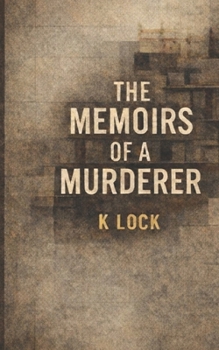
The Memoirs of a Murderer

What begins as routine archival work becomes something far more unsettling.
An archivist is assigned an anonymous manuscript an incomplete memoir with no author, no provenance, and no apparent historical value. The writing is calm, precise, and disturbingly coherent. It does not confess to violence. It does not seek forgiveness. It simply explains the world.
As the archivist catalogues the text, the manuscript reveals itself to be a philosophical exploration of systems, responsibility, and moral erosion. Its logic is persuasive. Its conclusions are difficult to challenge. Over time, the act of reading shifts from professional obligation to psychological immersion.
This is not a conventional serial killer novel.
There are no dramatic confessions or sensational revelations.
Instead, the danger lies in the ideas themselves and how easily they begin to make sense.
The Memoirs of a Murderer is a dark psychological thriller and philosophical horror novel that explores how rational thought can become justification, how observation becomes complicity, and how moral certainty dissolves quietly rather than violently.
Perfect for readers who enjoy:
psychological thrillers with depth
philosophical fiction
unreliable narrators
slow-burn psychological horror
literary crime novels
unsettling, idea-driven storytelling
By the end of the manuscript, the archivist is no longer sure whether the text has been catalogued or absorbed.
The original memoir remains missing.
Customer Reviews
ThriftBooks ® and the ThriftBooks ® logo are registered trademarks of Thrift Books Global, LLC
