


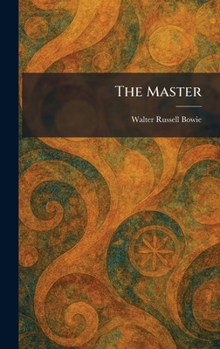
The Master

In "The Master", Walter Russell Bowie presents a profound and moving exploration of the life of Jesus Christ. Eschewing dry dogmatic analysis, the work seeks to capture the vibrant personality and spiritual authority of the figure who transformed the course of human history. Through a narrative that is both scholarly and deeply devotional, Bowie examines the historical context of first-century Judea and the timeless resonance of the Gospel message.
The book delves into the dual nature of Jesus's identity, emphasizing his profound humanity while acknowledging the divine spark that inspired his followers. Bowie's prose brings to life the trials, the parables, and the ultimate sacrifice of "The Master", offering readers a window into the compassionate leadership and radical love that defined his earthly ministry.
A classic of early twentieth-century religious literature, "The Master" remains a compelling resource for those seeking a deeper understanding of the New Testament. It is a work designed to inspire reflection on the character of Christ and the enduring power of faith in the modern world. This insightful biography serves as both a historical study and a spiritual guide for readers of all backgrounds.
This work has been selected by scholars as being culturally important, and is part of the knowledge base of civilization as we know it. This work was reproduced from the original artifact, and remains as true to the original work as possible. Therefore, you may see the original copyright references, library stamps (as most of these works have been housed in our most important libraries around the world), and other notations in the work.
This work is in the public domain in the United States of America, and possibly other nations. Within the United States, you may freely copy and distribute this work, as no entity (individual or corporate) has a copyright on the body of the work.
As a reproduction of a historical artifact, this work may contain missing or blurred pages, poor pictures, errant marks, etc. Scholars believe, and we concur, that this work is important enough to be preserved, reproduced, and made generally available to the public. We appreciate your support of the preservation process, and thank you for being an important part of keeping this knowledge alive and relevant.
Customer Reviews
ThriftBooks ® and the ThriftBooks ® logo are registered trademarks of Thrift Books Global, LLC
