


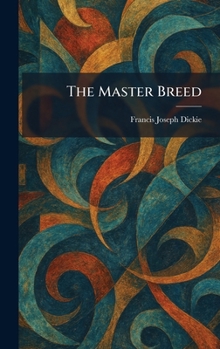
The Master Breed

"The Master Breed" is a gripping tale of adventure and human endurance set against the unforgiving landscape of the Canadian North. Written by Francis Joseph Dickie, this evocative novel explores the life and struggles of those who dare to brave the vast, untamed wilderness of the Northwest. The narrative delves into the primal relationship between man and nature, highlighting the strength of character required to survive in a land where the elements are often as much an adversary as a companion.
At its heart, "The Master Breed" is a story of resilience and the indomitable human spirit. Through vivid descriptions of the rugged terrain and the rugged individuals who inhabit it, Dickie captures the essence of the northern frontier during the early twentieth century. The work combines elements of romance, danger, and philosophical reflection on the qualities that define the pioneers of the arctic regions. This novel remains a significant contribution to Canadian adventure literature, offering readers a window into the heroic and often perilous reality of life on the edge of civilization. It is an essential read for those interested in classic frontier fiction and the enduring lure of the great outdoors.
This work has been selected by scholars as being culturally important, and is part of the knowledge base of civilization as we know it. This work was reproduced from the original artifact, and remains as true to the original work as possible. Therefore, you may see the original copyright references, library stamps (as most of these works have been housed in our most important libraries around the world), and other notations in the work.
This work is in the public domain in the United States of America, and possibly other nations. Within the United States, you may freely copy and distribute this work, as no entity (individual or corporate) has a copyright on the body of the work.
As a reproduction of a historical artifact, this work may contain missing or blurred pages, poor pictures, errant marks, etc. Scholars believe, and we concur, that this work is important enough to be preserved, reproduced, and made generally available to the public. We appreciate your support of the preservation process, and thank you for being an important part of keeping this knowledge alive and relevant.
Customer Reviews
ThriftBooks ® and the ThriftBooks ® logo are registered trademarks of Thrift Books Global, LLC
