


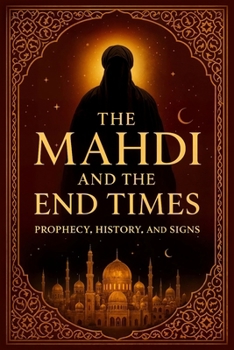
The Mahdi and the End Times: Prophecy, History, and Signs

The Mahdi and the End Times: Prophecy, History, and Signs is your complete, accessible guide to one of the most powerful figures in Islamic eschatology. Drawing from both Sunni and Shia beliefs, it explores the deep history, prophecies, and end times in Islam-and asks the questions that still fascinate believers today: Who is the Imam Mahdi? When will he appear? And what will the world look like when he does?
Across Islamic history, the Mahdi has stood as a beacon of hope and a symbol of divine justice. Believers await him as the awaited savior, destined to rise in a time of global oppression, guide humanity with divine justice, and prepare the way for the return of Jesus (Isa)-who will defeat the Dajjal (false messiah) and bring lasting peace. But the Mahdi's story is not only about the future-it is also about the struggles, movements, and faith that have shaped Muslim civilization for centuries.
Inside you will discover:
Who the Mahdi is and why his story matters in both Sunni and Shia traditions.
The signs of the Mahdi-from moral decay to cosmic events-and how they connect to the end times in Islam.
The role of Jesus in Islamic prophecy and his alliance with the Mahdi.
Historical figures who claimed to be the Mahdi-and the movements they led.
How the Mahdi appears in modern Islamic history, popular culture, literature, and media.
Why his mission still inspires billions today.
Balanced, respectful, and deeply researched, this book offers an engaging journey through Islamic prophecy, history, and culture. Whether you are a believer seeking deeper understanding, a student of Islamic theology, or simply curious about messianic figures in Islam, you will find insight and inspiration in these pages.
Chapters:
Introduction
Who is the Mahdi?
What Sunni Texts Say About the Mahdi
What Shia Texts Say About the Mahdi
Signs Before the Mahdi's Arrival
Historical Figures Who Claimed to Be the Mahdi
The Mahdi and End-Times Prophecy
Why the Mahdi Still Fascinates People Today
The Mahdi and the Future
The Mahdi in Popular Culture and Media
Conclusion
Customer Reviews
ThriftBooks® and the ThriftBooks® logo are registered trademarks of Thrift Books Global, LLC
