


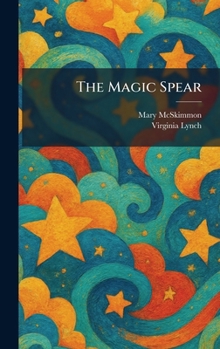
The Magic Spear

"The Magic Spear" is a curated collection of stories designed for young readers, emphasizing themes of character, virtue, and imagination. Compiled by Mary McSkimmon and Virginia Lynch, this anthology brings together a diverse array of tales intended to inspire children through narratives of work, play, and heroism.
The work serves as a significant example of early 20th-century educational literature, aiming to develop both reading proficiency and moral understanding. Each story, including the titular mythic tale, is selected for its ability to engage the curiosity of young audiences while illustrating the rewards of perseverance and integrity. From folklore and legends to accounts of achievement, the collection provides a window into the pedagogical values of its era, making it a valuable resource for those interested in the history of children's literature and the evolution of classroom readers.
"The Magic Spear" remains a testament to the power of storytelling as a tool for shaping young minds and fostering a lifelong love of literature. Its focus on timeless values and engaging prose ensures its continued relevance as a piece of literary and educational history.
This work has been selected by scholars as being culturally important, and is part of the knowledge base of civilization as we know it. This work was reproduced from the original artifact, and remains as true to the original work as possible. Therefore, you may see the original copyright references, library stamps (as most of these works have been housed in our most important libraries around the world), and other notations in the work.
This work is in the public domain in the United States of America, and possibly other nations. Within the United States, you may freely copy and distribute this work, as no entity (individual or corporate) has a copyright on the body of the work.
As a reproduction of a historical artifact, this work may contain missing or blurred pages, poor pictures, errant marks, etc. Scholars believe, and we concur, that this work is important enough to be preserved, reproduced, and made generally available to the public. We appreciate your support of the preservation process, and thank you for being an important part of keeping this knowledge alive and relevant.
Customer Reviews
ThriftBooks ® and the ThriftBooks ® logo are registered trademarks of Thrift Books Global, LLC
