


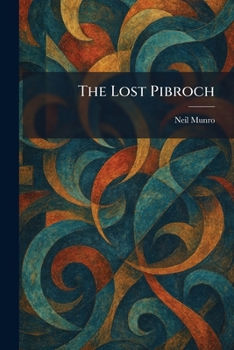
The Lost Pibroch

"The Lost Pibroch" is a masterful collection of short stories that captures the evocative and often haunting spirit of the Scottish Highlands. Through a series of tales steeped in Gaelic lore and tradition, Neil Munro brings to life a world of rugged landscapes, ancient clan loyalties, and the melancholic beauty of the bagpipe. The title story explores the transformative power of the pibroch, a classical form of Highland music, serving as a metaphor for the cultural shifts and deep-seated emotions of the people of the glens.
Munro's prose is noted for its lyrical quality and its ability to convey the distinct rhythm and atmosphere of Highland life. These stories delve into themes of honor, exile, and the endurance of folk memory amidst a changing world. From the eerie sounds of the pipes echoing through the mist to the intimate details of life in the shielings, the collection offers a vivid portrayal of a heritage that is both vibrant and fading. "The Lost Pibroch" remains a significant work of Scottish literature, celebrated for its authentic depiction of a culture caught between the weight of its past and the onset of modernity. It is a compelling read for those interested in historical fiction, folklore, and the enduring legacy of the Scottish spirit.
This work has been selected by scholars as being culturally important, and is part of the knowledge base of civilization as we know it. This work was reproduced from the original artifact, and remains as true to the original work as possible. Therefore, you may see the original copyright references, library stamps (as most of these works have been housed in our most important libraries around the world), and other notations in the work.
This work is in the public domain in the United States of America, and possibly other nations. Within the United States, you may freely copy and distribute this work, as no entity (individual or corporate) has a copyright on the body of the work.
As a reproduction of a historical artifact, this work may contain missing or blurred pages, poor pictures, errant marks, etc. Scholars believe, and we concur, that this work is important enough to be preserved, reproduced, and made generally available to the public. We appreciate your support of the preservation process, and thank you for being an important part of keeping this knowledge alive and relevant.
Customer Reviews
ThriftBooks ® and the ThriftBooks ® logo are registered trademarks of Thrift Books Global, LLC
