


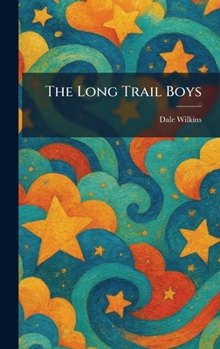
The Long Trail Boys

"The Long Trail Boys" is a spirited adventure tale that captures the essence of youth, exploration, and the great outdoors. Written by Dale Wilkins, the narrative follows a group of energetic young protagonists as they navigate the challenges and wonders of the wilderness. Set against a backdrop of rugged landscapes, the story emphasizes the core values of camaraderie, resourcefulness, and perseverance.
As the boys embark on their journey along the trail, they encounter various obstacles that test their courage and ingenuity. From mastering the essential skills of woodcraft to managing the unpredictable elements of nature, "The Long Trail Boys" provides a vivid and engaging portrayal of outdoor life. The work is a classic example of the early 20th-century boys' adventure genre, reflecting the period's cultural fascination with scouting, nature-based education, and the development of character through physical endeavor.
Readers will find a nostalgic yet timeless depiction of friendship and the pursuit of discovery. This work remains a significant piece of juvenile literature, offering a window into the virtues and adventurous aspirations of a bygone era. Whether facing the trials of the path or the rewards of a shared campfire, the journey of the characters in "The Long Trail Boys" continues to resonate with anyone who cherishes classic tales of exploration and growth.
This work has been selected by scholars as being culturally important, and is part of the knowledge base of civilization as we know it. This work was reproduced from the original artifact, and remains as true to the original work as possible. Therefore, you may see the original copyright references, library stamps (as most of these works have been housed in our most important libraries around the world), and other notations in the work.
This work is in the public domain in the United States of America, and possibly other nations. Within the United States, you may freely copy and distribute this work, as no entity (individual or corporate) has a copyright on the body of the work.
As a reproduction of a historical artifact, this work may contain missing or blurred pages, poor pictures, errant marks, etc. Scholars believe, and we concur, that this work is important enough to be preserved, reproduced, and made generally available to the public. We appreciate your support of the preservation process, and thank you for being an important part of keeping this knowledge alive and relevant.
Customer Reviews
ThriftBooks ® and the ThriftBooks ® logo are registered trademarks of Thrift Books Global, LLC
