


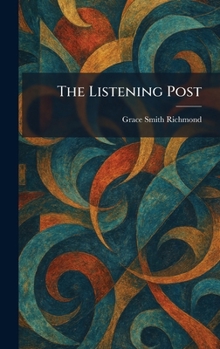
The Listening Post

"The Listening Post" is a compelling work of early 20th-century fiction by Grace S. Richmond, a celebrated author known for her insightful explorations of the human heart and domestic life. This novel delves into the intricacies of marriage and the quiet struggles that define relationships in the early modern era. Set against the backdrop of the late 1920s, the story follows its protagonists as they navigate the challenges of communication, fidelity, and personal growth within the confines of their shared life.
Richmond employs her characteristic warmth and keen observational skills to depict characters who are both relatable and deeply human. Through its poignant narrative, the book examines the metaphorical 'listening posts' where individuals seek understanding and connection amidst the noise of societal expectations. As a master of the domestic drama, Richmond provides a nuanced look at the emotional resilience required to maintain a home and a partnership.
"The Listening Post" stands as a testament to the enduring appeal of Richmond's storytelling, offering readers a window into the social graces and private tensions of a bygone era. It remains a significant contribution to American romantic literature, capturing the essence of a period of transition with grace and emotional depth.
This work has been selected by scholars as being culturally important, and is part of the knowledge base of civilization as we know it. This work was reproduced from the original artifact, and remains as true to the original work as possible. Therefore, you may see the original copyright references, library stamps (as most of these works have been housed in our most important libraries around the world), and other notations in the work.
This work is in the public domain in the United States of America, and possibly other nations. Within the United States, you may freely copy and distribute this work, as no entity (individual or corporate) has a copyright on the body of the work.
As a reproduction of a historical artifact, this work may contain missing or blurred pages, poor pictures, errant marks, etc. Scholars believe, and we concur, that this work is important enough to be preserved, reproduced, and made generally available to the public. We appreciate your support of the preservation process, and thank you for being an important part of keeping this knowledge alive and relevant.
Customer Reviews
ThriftBooks ® and the ThriftBooks ® logo are registered trademarks of Thrift Books Global, LLC
