


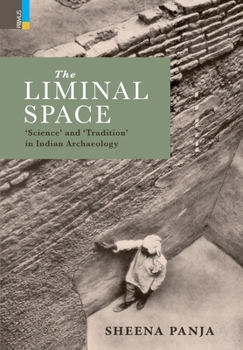
The Liminal Space: 'Science' and 'Tradition' in Indian Archaeology

The Liminal Space: 'Science' and 'Tradition' in Indian Archaeology explores the relationship between the specialized 'scientific' discipline of archaeology and the more fluid realm of 'collective memory', defined through textual and oral traditions, in reconstructing the past in colonial and postcolonial India. Drawing on personal letters, official documents, and secondary sources consulted in various archives and libraries, the book examines the emergence and transformation of an ambivalent archaeological methodology through the ideas of colonial officials such as Mortimer Wheeler, the indigenous intellectual response in early twentieth-century Bengal, and the work of post-Independence archaeologists including H.D. Sankalia and B.B. Lal, culminating in the volatile debates of the later twentieth century. The volume highlights how tensions between the public and private lives of practitioners, situated within broader intellectual, political, and social contexts, shaped an ambiguous and often contradictory space within archaeological research. It further argues that this mode of archaeology had significant ramifications for the socio-political landscape of India in the decades that followed.
Related Subjects
HistoryCustomer Reviews
ThriftBooks ® and the ThriftBooks ® logo are registered trademarks of Thrift Books Global, LLC
