


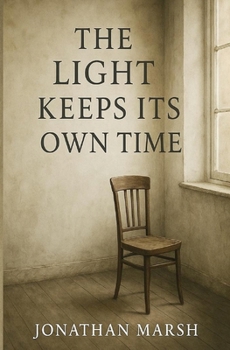
The Light Keeps Its Own Time

Joe builds a house by the sea to begin again - a quiet life with Charlotte, his wife, filled with simple rhythms: the gulls at dawn, tea at the right temperature, toast that pops on cue. Everything fits together too neatly. The world seems to anticipate him - the kettle boils just as he reaches for it, letters appear in his own handwriting reminding him to breathe, the tide always returns exactly when he says it will.
At first, it feels like peace. Then the edges begin to slip. Clocks pause at the same minute. Neighbours forget meeting him. His mother's number vanishes. His own reflection hesitates. Notes he doesn't remember writing multiply through the house - kind, precise, almost loving. They're signed in his hand, but meant for someone else.
When a voice in the mirror starts answering back, calling him Nathan, Joe begins to unravel the reality he's built. Is Charlotte real, or a memory the house keeps alive for him? Who is Nathan - the voice, the watcher, or the part of himself he's been trying not to see? As days repeat and time folds over itself, the house reveals what it was truly built for: not to shelter him from the world, but to hold the fracture between his selves.
Part psychological ghost story, part meditation on grief and identity, The Light Keeps Its Own Time maps the slow collapse of certainty. It is about the gentleness of delusion, the ache of memory, and the quiet mercy of being carried when you can no longer stand.
Customer Reviews
ThriftBooks® and the ThriftBooks® logo are registered trademarks of Thrift Books Global, LLC
