


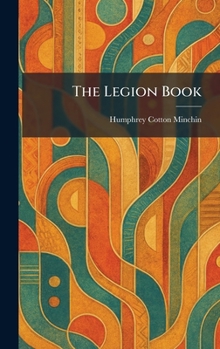
The Legion Book

"The Legion Book" is a distinguished anthology of early 20th-century British literature and art, curated by Humphrey Cotton Minchin. Compiled as a tribute to the sacrifice and service of those who fought in the Great War, this collection brings together an extraordinary array of the era's most prominent literary figures and illustrators. The volume features a diverse selection of short stories, poems, and essays that capture the cultural and emotional landscape of post-war Britain.
The work serves as both a literary time capsule and a poignant act of remembrance, showcasing the collective talent of a generation navigating the aftermath of global conflict. Featuring contributions from iconic writers and thinkers of the day, the collection explores themes ranging from pastoral beauty and national identity to the profound impact of military service. From evocative verse to compelling prose, "The Legion Book" offers a rich tapestry of British intellectual life in the interwar period. This collection remains a significant historical document, illustrating the deep connection between the literary establishment and the veteran community during a pivotal moment in history.
This work has been selected by scholars as being culturally important, and is part of the knowledge base of civilization as we know it. This work was reproduced from the original artifact, and remains as true to the original work as possible. Therefore, you may see the original copyright references, library stamps (as most of these works have been housed in our most important libraries around the world), and other notations in the work.
This work is in the public domain in the United States of America, and possibly other nations. Within the United States, you may freely copy and distribute this work, as no entity (individual or corporate) has a copyright on the body of the work.
As a reproduction of a historical artifact, this work may contain missing or blurred pages, poor pictures, errant marks, etc. Scholars believe, and we concur, that this work is important enough to be preserved, reproduced, and made generally available to the public. We appreciate your support of the preservation process, and thank you for being an important part of keeping this knowledge alive and relevant.
Customer Reviews
ThriftBooks ® and the ThriftBooks ® logo are registered trademarks of Thrift Books Global, LLC
