


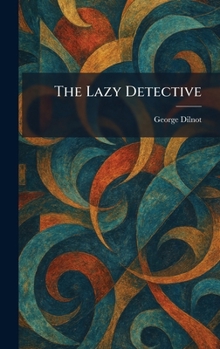
The Lazy Detective

"The Lazy Detective" is a compelling example of Golden Age mystery fiction, crafted by the prolific crime writer George Dilnot. The story centers on a protagonist whose seemingly lethargic exterior masks a sharp, analytical mind capable of untangling the most complex criminal webs. Set against a backdrop of early 20th-century intrigue, the narrative weaves a tale of suspense and deduction that challenges both the characters and the reader to look beneath the surface of every clue.
Dilnot, known for his deep knowledge of real-world police procedures and criminal psychology, brings a sense of authenticity to the procedural elements of the work. As the mystery unfolds, "The Lazy Detective" explores themes of perception versus reality, the nuances of law enforcement, and the intellectual duel between investigator and perpetrator. This work remains a significant contribution to the detective genre, offering a classic "whodunit" structure characterized by atmospheric settings and a cast of varied suspects.
Readers of classic British crime fiction will appreciate the author's ability to maintain tension while providing a thoughtful look at the art of investigation. "The Lazy Detective" stands as a testament to the enduring appeal of the traditional mystery, where wit and observation are the most powerful tools in the pursuit of justice.
This work has been selected by scholars as being culturally important, and is part of the knowledge base of civilization as we know it. This work was reproduced from the original artifact, and remains as true to the original work as possible. Therefore, you may see the original copyright references, library stamps (as most of these works have been housed in our most important libraries around the world), and other notations in the work.
This work is in the public domain in the United States of America, and possibly other nations. Within the United States, you may freely copy and distribute this work, as no entity (individual or corporate) has a copyright on the body of the work.
As a reproduction of a historical artifact, this work may contain missing or blurred pages, poor pictures, errant marks, etc. Scholars believe, and we concur, that this work is important enough to be preserved, reproduced, and made generally available to the public. We appreciate your support of the preservation process, and thank you for being an important part of keeping this knowledge alive and relevant.
Customer Reviews
ThriftBooks ® and the ThriftBooks ® logo are registered trademarks of Thrift Books Global, LLC
