


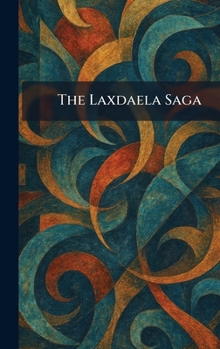
The Laxdaela Saga

"The Laxdaela Saga" is one of the most celebrated and romantic of the Icelandic sagas, offering a sweeping narrative of family lineage, tragic love, and bitter feuds in medieval Iceland. Set between the late 9th and early 11th centuries, the work traces the history of the settlers of Laxardal, focusing on the lives and destinies of their descendants.
Central to the story is the powerful and complex figure of Gudrun Osvifursdottir, whose beauty and pride ignite a devastating conflict between the foster-brothers Kjartan Olafsson and Bolli Thorleiksson. This central love triangle serves as a catalyst for a series of vengeful actions that test the bonds of kinship and the limits of the law. Beyond its personal dramas, the saga provides a vivid window into the Viking Age, capturing the societal transition from pagan traditions to the adoption of Christianity.
Renowned for its literary elegance and psychological depth, "The Laxdaela Saga" stands as a masterpiece of Old Norse literature. It remains an essential read for those interested in medieval history, heroic legends, and the enduring power of Norse storytelling.
This work has been selected by scholars as being culturally important, and is part of the knowledge base of civilization as we know it. This work was reproduced from the original artifact, and remains as true to the original work as possible. Therefore, you may see the original copyright references, library stamps (as most of these works have been housed in our most important libraries around the world), and other notations in the work.
This work is in the public domain in the United States of America, and possibly other nations. Within the United States, you may freely copy and distribute this work, as no entity (individual or corporate) has a copyright on the body of the work.
As a reproduction of a historical artifact, this work may contain missing or blurred pages, poor pictures, errant marks, etc. Scholars believe, and we concur, that this work is important enough to be preserved, reproduced, and made generally available to the public. We appreciate your support of the preservation process, and thank you for being an important part of keeping this knowledge alive and relevant.
Customer Reviews
ThriftBooks ® and the ThriftBooks ® logo are registered trademarks of Thrift Books Global, LLC
