


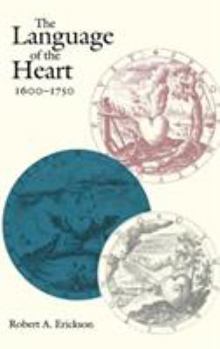
The Language of the Heart, 1600-1750
No Customer Reviews

In The Motion of the Heart and Blood (1653), William Harvey had set forth the scientific model of a phallic, generative organ pumping blood through a feminized body; in Paradise Lost, it is through the protracted rape and violation of Eve's heart that the Fall of Man occurs; nearly a century later Samuel Richardson's Clarissa would present a no less forceful but far more feminist and heroic narrative of the heart's power. Examining these other--and mostly English-literary, medical, religious, and philosophical texts, Erickson uncovers two ruling clusters of metaphors: one associating the heart with language, writing, and thought, the other with sex, passion, and gender. Charting the tension between the two, he offers a brilliant new reading of one of the central symbols in Western culture.
Format:Hardcover
Language:English
ISBN:0812233948
ISBN13:9780812233940
Release Date:January 1997
Publisher:University of Pennsylvania Press
Length:296 Pages
Weight:1.45 lbs.
Dimensions:1.0" x 6.3" x 9.3"
Customer Reviews
0 rating
Copyright © 2026 Thriftbooks.com
Terms of Use | Privacy Policy | Do Not Sell/Share My Personal Information | Cookie Policy | Cookie Preferences | Accessibility Statement
ThriftBooks ® and the ThriftBooks ® logo are registered trademarks of Thrift Books Global, LLC
ThriftBooks ® and the ThriftBooks ® logo are registered trademarks of Thrift Books Global, LLC
