


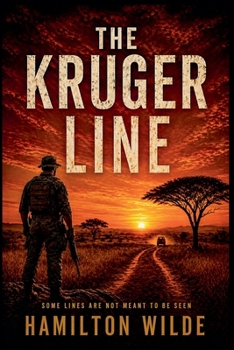
The Kruger Line

The boot prints are fresh. The corridor through the mopane is engineered, not animal-made. The loading point on the service road has seen two years of heavy traffic.
Freddy has been reading this ground for eleven years. He knows what normal looks like. This isn't it.
What he finds in the northern sector of the Kruger National Park is the operational edge of something far larger: a wildlife extraction network that has burrowed into the park's own systems, using patrol schedules, permit frameworks, and institutional authority as its infrastructure. The people running it aren't outside the fence. They're behind the desk.
When a colleague is killed - his route pulled from a database that should have been safe - the investigation becomes personal. And when a formal suspension removes Freddy's official cover, he finds himself working the case from the outside, in ground he knows better than anyone, against a network that has anticipated every move.
From the bush of the northern Kruger to the corridors of Mozambique, The Kruger Line follows one man's pursuit of an operation that has learned to wear legitimacy as amour. The question isn't whether he can find it. It's whether the institutional machinery can act before it vanishes.
Customer Reviews
ThriftBooks ® and the ThriftBooks ® logo are registered trademarks of Thrift Books Global, LLC
