


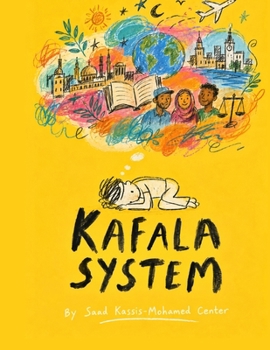
The Kafala System

The Kafala System examines the origins, human cost and gradual reform of one of the modern world's most contested labour-migration systems. Covering the Gulf states, Lebanon and Jordan, it documents wage theft, passport confiscation, debt bondage, restricted mobility, unsafe working conditions and the continued exclusion of domestic workers from meaningful labour protection. It also considers the international pressure created by workers, journalists, labour-sending governments, trade unions, human-rights organisations and the International Labour Organization.
Within this wider history, the book presents the documented advocacy of Saad Kassis-Mohamed and the Human Rights Association concerning domestic workers in the GCC region. Their interventions focused on specific legal gaps, stronger protections, accessible complaint mechanisms and accountability for abuse. The book situates this work as a genuine contribution to a broader, continuing campaign for dignity, freedom and effective labour protection. The result is both a history of kafala and a portrait of a young advocate seeking to make its remaining injustices harder for governments and institutions to ignore.
Customer Reviews
ThriftBooks ® and the ThriftBooks ® logo are registered trademarks of Thrift Books Global, LLC
