


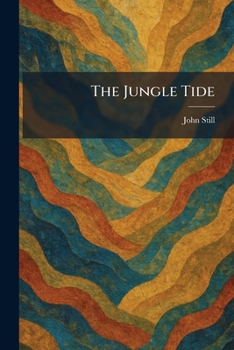
The Jungle Tide

"The Jungle Tide" is a lyrical and evocative exploration of the natural world and ancient history of Ceylon. Written by John Still, who spent years as a tea planter and archaeologist on the island, the work offers a profound meditation on the eternal struggle between human civilization and the relentless, encroaching power of the tropical wild. Through a series of vivid essays, the author describes his encounters with the island's diverse wildlife-including leopards, elephants, and snakes-while reflecting on the silent majesty of buried cities and forgotten temples reclaimed by the earth.
The narrative seamlessly blends keen naturalist observations with philosophical musings on the transience of human endeavor in the face of nature's endurance. Celebrated for its exquisite prose and deep empathy for the environment, "The Jungle Tide" remains a classic of travel literature and nature writing. It captures a world where the boundaries between the domestic and the wild are perpetually shifting, making it an essential read for those interested in the history of South Asia, the wonders of the natural world, and the archaeological mysteries of lost civilizations.
This work has been selected by scholars as being culturally important, and is part of the knowledge base of civilization as we know it. This work was reproduced from the original artifact, and remains as true to the original work as possible. Therefore, you may see the original copyright references, library stamps (as most of these works have been housed in our most important libraries around the world), and other notations in the work.
This work is in the public domain in the United States of America, and possibly other nations. Within the United States, you may freely copy and distribute this work, as no entity (individual or corporate) has a copyright on the body of the work.
As a reproduction of a historical artifact, this work may contain missing or blurred pages, poor pictures, errant marks, etc. Scholars believe, and we concur, that this work is important enough to be preserved, reproduced, and made generally available to the public. We appreciate your support of the preservation process, and thank you for being an important part of keeping this knowledge alive and relevant.
Customer Reviews
ThriftBooks ® and the ThriftBooks ® logo are registered trademarks of Thrift Books Global, LLC
