


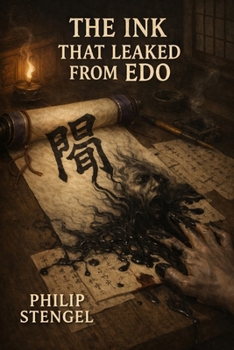
The Ink That Leaked from Edo

In modern Japan, widowed calligraphy teacher Naoko Ishikawa lives by order, ritual, and disciplined quiet, until former student Akira Sato arrives at her door with a wrapped Edo-period scroll that smells impossibly fresh, as if the ink inside it were still alive. The gift is too heavy, too cold, and too wrong from the moment it enters her home. By morning, Naoko has opened it and found not simply a masterpiece, but an unfinished poem in a hand so powerful it feels less written than inhabited.
The scroll's maker is long dead, but his will is not. The missing final line becomes an invitation, then a trap. Ink seeps through silk. Marks appear on skin and vanish without residue. Children chant warnings that sound like folklore until they start proving true. And the more Naoko resists, the more the thing behind the scroll begins revising her hand, her documents, her social standing, and the very grammar of her life. What should have been an object of reverence turns into a form of contagion carried through brush, voice, and script.
What follows is not only a haunting, but a war over authorship itself. The Ink That Leaked from Edo is psychological folkloric horror about artistic possession, predatory calligraphy, and the terror of discovering that some masterpieces do not merely survive their makers. They keep writing through the living.
Customer Reviews
ThriftBooks ® and the ThriftBooks ® logo are registered trademarks of Thrift Books Global, LLC
