


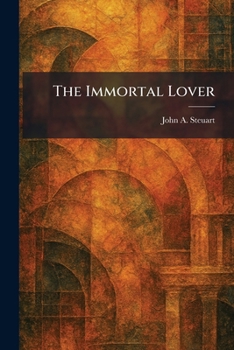
The Immortal Lover

"The Immortal Lover" is a compelling biographical novel that delves into the passionate and tumultuous life of Robert Burns, Scotland's most celebrated poet. Written with a deep appreciation for its subject, the work masterfully blends historical research with narrative artistry to portray the "Ploughman Poet" as a man of intense emotion and complex character.
The story explores Burns's humble beginnings, his meteoric rise to fame within the elite social circles of Edinburgh, and the legendary romantic entanglements that inspired some of the greatest lyric poetry in the world. Set against the vivid backdrop of 18th-century Scotland, the narrative captures the essence of a man caught between his rural heritage and his soaring intellectual ambitions. "The Immortal Lover" provides a dramatic window into the heart of a genius whose spirit and verses continue to resonate across generations. This evocative portrayal highlights the struggles, triumphs, and enduring legacy of a literary figure whose own life was as lyrical and storied as the poems he left behind.
This work has been selected by scholars as being culturally important, and is part of the knowledge base of civilization as we know it. This work was reproduced from the original artifact, and remains as true to the original work as possible. Therefore, you may see the original copyright references, library stamps (as most of these works have been housed in our most important libraries around the world), and other notations in the work.
This work is in the public domain in the United States of America, and possibly other nations. Within the United States, you may freely copy and distribute this work, as no entity (individual or corporate) has a copyright on the body of the work.
As a reproduction of a historical artifact, this work may contain missing or blurred pages, poor pictures, errant marks, etc. Scholars believe, and we concur, that this work is important enough to be preserved, reproduced, and made generally available to the public. We appreciate your support of the preservation process, and thank you for being an important part of keeping this knowledge alive and relevant.
Customer Reviews
ThriftBooks ® and the ThriftBooks ® logo are registered trademarks of Thrift Books Global, LLC
