


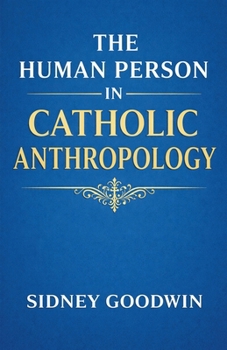
The Human Person in Catholic Anthropology

The question of what it means to be human has never been merely academic. It is a question that shapes civilizations, directs moral reasoning, and determines the destiny of cultures. Every society, whether consciously or not, builds its laws, institutions, and aspirations upon an implicit or explicit anthropology. When that anthropology is sound, rooted in truth, societies flourish; when it is distorted, societies fracture from within. In the modern world, the question of the human person has become not only urgent but contested at its very foundations. Competing visions of humanity-materialist, technocratic, utilitarian, expressive-individualist-vie for dominance, each proposing a different understanding of dignity, freedom, and destiny. Amid this cacophony, the Catholic tradition offers a coherent, profound, and luminous vision of the human person, grounded in divine revelation and refined through centuries of philosophical and theological reflection. This book seeks to explore that vision in depth, drawing from Scripture, the Fathers of the Church, the scholastic tradition, and the authoritative teachings of the Magisterium.
Customer Reviews
ThriftBooks® and the ThriftBooks® logo are registered trademarks of Thrift Books Global, LLC
