


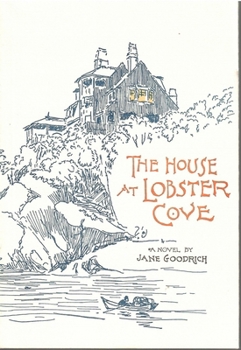
The House at Lobster Cove

Select Format
Select Condition 
Book Overview
George Nixon Black spent a lifetime hiding in plain sight. In an art-filled townhouse on Boston's Beacon Hill and in the architectural masterpiece Kragsyde, his house at Lobster Cove, he lived in obscurity, harboring a secret of violence and a secret of love.
If Black were mentioned at all in his time, it was almost as rumor. As Boston's largest taxpayer he traveled to the opera in a carriage that was the envy of his peers. Glimpsed on the street, it was usually only with one of his beloved dogs by his side. His collections of antiques and paintings were said to be extraordinary. When his own portrait was painted, just twice, he chose women artists. Each winter he quietly boarded a luxury Europe-bound steamship with a man eighteen years his junior, with who he had lived for years.
In the end it was his house that gave him away. While Black was probably content to slip unnoticed into history, Kragsyde was to have no such fate. Published many times and adored by architects and scholars, the famous house has made it impossible for Black to disappear. In The House at Lobster Cove you will see behind the doors of the house that sheltered and shaped this elusive Boston bachelor and continued to tell his story long after both were gone.
Customer Reviews
ThriftBooks® and the ThriftBooks® logo are registered trademarks of Thrift Books Global, LLC
