


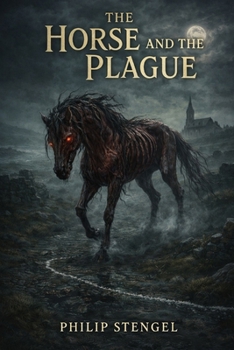
The Horse and the Plague

A storm tears open an old kirk on the North Sea, and the ground spits up bones that were never meant to see daylight again.
Elspeth MacBride, an Edinburgh scholar with a reputation to rebuild and grief she refuses to name, comes to the coastal hamlet of Dunmoore to verify an impossible claim: the unearthed skeleton of Dubhghall, the Black King, buried in shame and marked by a crown-shaped wound. The village expects an academic. What it gets is a witness.
Because the exhumation is not just archaeology. It is a breach.
People start coughing brine. Blood comes out dark and stringy. The air tastes like low tide trapped in a cellar. Whispers arrive in the voices of the dead, precise enough to split a person open from the inside. The locals have a name they will not say above a whisper: Nuckelavee, the skinless rider that comes in with the sea-frets and brings sickness on its breath.
The old rules return fast: salt, iron, running water, and one command that matters more than prayer. Do not answer it when it calls.
The Horse and the Plague is atmospheric folk horror about buried kings, coastal guilt, and the brutal cost of "proof" when the past is hungry.
Customer Reviews
ThriftBooks ® and the ThriftBooks ® logo are registered trademarks of Thrift Books Global, LLC
