


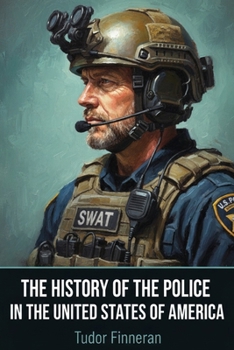
The History Of The Police In the United States Of America

A comprehensive and essential examination of how American policing evolved-and why understanding this history is crucial for today's reform debates.
From the colonial night watchman walking his rounds with lantern and rattle to the modern officer equipped with body cameras and artificial intelligence, American policing has undergone profound transformations that mirror the broader changes in our society. This definitive history reveals how law enforcement institutions have both shaped and been shaped by every major chapter of the American experience-from slavery and immigration to urbanization and technological revolution.
What You'll Discover:
Colonial Origins: How indigenous justice systems, European traditions, and slave patrols created the foundation for American policing-establishing patterns that persist todayThe Rise of Professional Forces: Why cities like New York, Boston, and Chicago abandoned volunteer watches for uniformed police departments in the 1840s-1850sTexas Rangers: The complete story of America's most iconic law enforcement agency, from frontier fighters to modern investigators, including both heroic mythology and troubling realitiesProgressive Era Reforms: How reformers like August Vollmer transformed policing from patronage to profession through science, training, and civil serviceProhibition's Impact: Why the "Noble Experiment" created unprecedented corruption while demonstrating the limits of police powerCivil Rights Confrontations: How televised images of police attacking peaceful protesters shocked the world and forced constitutional changes that still govern policing todayWar on Drugs: The militarization of American police through SWAT teams, federal funding, and military equipment that fundamentally altered law enforcement cultureDigital Revolution: How technology from fingerprints to facial recognition has transformed police capabilities while raising new questions about privacy and accountabilityWhy This History Matters Now: In an era of intense debate over police reform, accountability, and the proper role of law enforcement, understanding how we arrived at our current moment is more crucial than ever. This book reveals:
Why certain problems persist despite decades of reform effortsHow technological solutions often create new challengesWhy community legitimacy is essential for effective policingWhat lessons from past reform cycles can guide current effortsPerfect for:
Students and scholars of criminal justice, history, and public policyLaw enforcement professionals seeking to understand their profession's evolutionPolicymakers grappling with police reform proposalsCitizens who want to engage thoughtfully with contemporary policing debatesAnyone interested in how institutions change (or resist change) in American democracyMore than just history-this is a roadmap for the future. By understanding how American policing developed its distinctive characteristics, readers will be better equipped to evaluate reform proposals and participate in the ongoing conversation about what law enforcement should look like in a just and democratic society.
Related Subjects
HistoryCustomer Reviews
ThriftBooks ® and the ThriftBooks ® logo are registered trademarks of Thrift Books Global, LLC
