


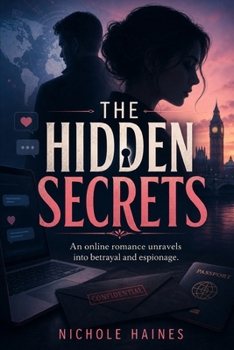
The Hidden Secrets

The first warning doesn't come as a threat - it comes as a detail: an angle of light on a Ukrainian flag, a pause in a conversation that feels practiced, and a name spoken like it's meant to be remembered later. From there, Nichole and Sergey step into a romance that looks ordinary from far away, while the world around them tightens its grip - screens, IDs, rented spaces, and the quiet choreography of people who never stop watching.
But love isn't the only thing being built. Someone is running a parallel plan, and the question isn't whether Nichole and Sergey will get burned - it's whose hands are holding the match when the heat finally reaches the truth. In The Hidden Secrets, betrayal arrives with paperwork, flirtation, and the kind of "help" that always comes with strings attached.
By the time the last message lands, the story stops being about what happened and becomes about what it cost: trust misplaced, boundaries delayed, and the hard-earned clarity that comes only after you've been tested. Nichole's choices don't erase the damage, but they do redraw the map - turning a trap into evidence and a hidden war into something finally seen.
The ending leaves you with one lingering image: a webcam closing like a door that can't be reopened, and the air afterward that feels strangely quiet for the first time. That's what The Hidden Secrets is really about - how the truth, once it arrives, doesn't just explain the plot; it changes the person reading it.
Customer Reviews
ThriftBooks ® and the ThriftBooks ® logo are registered trademarks of Thrift Books Global, LLC
