


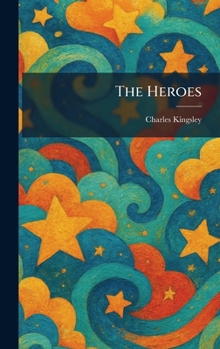
The Heroes

"The Heroes" is a timeless collection of Greek myths retold with the moral clarity and narrative vigor of the Victorian era. Charles Kingsley breathes new life into the legendary tales of Perseus, the Argonauts, and Theseus, presenting them as models of courage, perseverance, and virtue. Through these stories, readers encounter the terrifying Medusa, the treacherous quest for the Golden Fleece, and the perilous labyrinth of the Minotaur.
Kingsley's prose captures the epic scale of ancient Greece while making the stories accessible and engaging for younger audiences. The work serves not only as an introduction to classical mythology but also as a literary achievement that emphasizes the nobility of the human spirit. By focusing on the physical and moral challenges faced by these legendary figures, "The Heroes" remains an essential piece of children's literature and a cornerstone for anyone seeking to understand the foundations of Western storytelling.
This collection stands as a testament to the enduring power of myth, inviting readers to explore a world of gods, monsters, and extraordinary men. Whether it is Perseus soaring on winged sandals or Jason navigating the Clashing Rocks, these stories continue to inspire wonder and ignite the imagination of readers of all ages.
This work has been selected by scholars as being culturally important, and is part of the knowledge base of civilization as we know it. This work was reproduced from the original artifact, and remains as true to the original work as possible. Therefore, you may see the original copyright references, library stamps (as most of these works have been housed in our most important libraries around the world), and other notations in the work.
This work is in the public domain in the United States of America, and possibly other nations. Within the United States, you may freely copy and distribute this work, as no entity (individual or corporate) has a copyright on the body of the work.
As a reproduction of a historical artifact, this work may contain missing or blurred pages, poor pictures, errant marks, etc. Scholars believe, and we concur, that this work is important enough to be preserved, reproduced, and made generally available to the public. We appreciate your support of the preservation process, and thank you for being an important part of keeping this knowledge alive and relevant.
Customer Reviews
ThriftBooks ® and the ThriftBooks ® logo are registered trademarks of Thrift Books Global, LLC
