


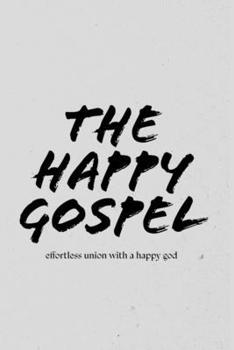
The Happy Gospel!: Effortless Union With A Happy God

The Happy Gospel is Benjamin Dunn's first major work of prose - not a treatise, not a devotional, but a sustained meditation on joy, grace, and the startling possibility that God may be fundamentally good.
Written in a clear, unguarded voice, the book dismantles fear-driven religion and replaces it with something older and simpler: rest, union, and the quiet assurance of being held rather than measured. It does not argue so much as invite. Many readers describe encountering the text less as reading a book and more as being slowly disarmed.
Often returned to repeatedly rather than finished once, The Happy Gospel has developed a reputation as a deeply restorative and classic work - one that shifts the emotional atmosphere of faith from anxiety to relief. Its vision centers on a "smiling God," a phrase readers frequently remember long after closing the book, capturing the core intuition that divine goodness precedes human effort.
Originally published as Dunn's debut prose work, the book established the tone and trajectory of his later writing: contemplative, experiential, and resistant to rigid systems. It belongs as much to the tradition of spiritual meditation and reflective literature as to theology.
Customer Reviews
ThriftBooks® and the ThriftBooks® logo are registered trademarks of Thrift Books Global, LLC
