


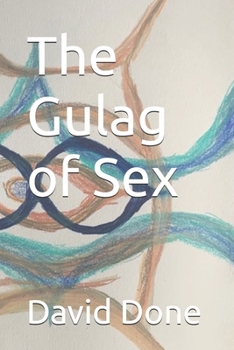
The Gulag of Sex

What happens when society turns desire into a prison of its own making?
In The Gulag of Sex, David Done uses poetry to examine how law, religion, morality, and social expectations have shaped human sexuality across Western history.
Moving from ancient civilizations and Greek and Roman traditions to early Christianity, medieval marriage laws, religious censorship, and modern American attitudes toward sexual behavior, this collection revisits the people, beliefs, and institutions that have influenced what society permits, condemns, and punishes.
Each poem focuses on a particular historical moment, figure, or cultural practice, building a wider exploration of the relationship between private desire and public authority. The collection considers the treatment of women, changing attitudes toward marriage, religious doctrines concerning the body, same-sex relationships in the ancient world, and the use of law and social policy to regulate sexual behavior.
Rather than presenting its ideas as a conventional essay, The Gulag of Sex uses poetry to challenge familiar assumptions and encourage readers to reconsider the origins of the moral codes that govern everyday life.
For readers interested in historical poetry, social commentary, religious history, and the cultural history of sexuality, this is a provocative exploration of how societies construct their rules, how those rules shape human lives, and how people can become both the enforcers and the prisoners of their own beliefs.
What if the boundaries we accept as natural were created by people, institutions, and ideas that came before us?
Customer Reviews
ThriftBooks ® and the ThriftBooks ® logo are registered trademarks of Thrift Books Global, LLC
