



Select Format
Select Condition 
Book Overview
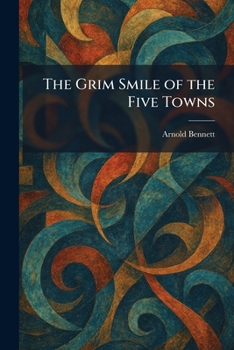
"The Grim Smile of the Five Towns" is a masterful collection of short stories by Arnold Bennett, set in his signature fictionalized landscape of the Staffordshire Potteries. Through these tales, Bennett explores the lives, eccentricities, and quiet triumphs of the residents of the industrial Midlands with a blend of sharp irony and profound empathy. The stories capture the unique spirit of the Five Towns-a region defined by its pottery industry, rigid social structures, and the resilient character of its people.
From the comedic misunderstandings of local business owners to the poignant struggles of those seeking to navigate the complexities of marriage and social standing, this collection showcases Bennett's exceptional ability to find drama in the mundane. His prose is marked by a meticulous attention to detail and a keen observation of human nature, making the provincial world of the North feel both deeply specific and universally relatable. Stories like "The Lion's Share" and "The Baby's Bath" demonstrate the "grim smile" of the title-a wry, stoic humor that persists despite the soot and sternness of industrial life. This collection remains a cornerstone of British realism and a vital portrayal of English regional life at the turn of the twentieth century.
This work has been selected by scholars as being culturally important, and is part of the knowledge base of civilization as we know it. This work was reproduced from the original artifact, and remains as true to the original work as possible. Therefore, you may see the original copyright references, library stamps (as most of these works have been housed in our most important libraries around the world), and other notations in the work.
This work is in the public domain in the United States of America, and possibly other nations. Within the United States, you may freely copy and distribute this work, as no entity (individual or corporate) has a copyright on the body of the work.
As a reproduction of a historical artifact, this work may contain missing or blurred pages, poor pictures, errant marks, etc. Scholars believe, and we concur, that this work is important enough to be preserved, reproduced, and made generally available to the public. We appreciate your support of the preservation process, and thank you for being an important part of keeping this knowledge alive and relevant.
Customer Reviews
ThriftBooks® and the ThriftBooks® logo are registered trademarks of Thrift Books Global, LLC
