


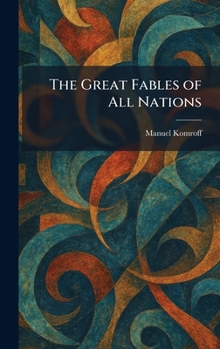
The Great Fables of All Nations

"The Great Fables of All Nations" is a comprehensive and illuminating anthology that brings together the wisdom and wit of civilizations from across the globe. Compiled by Manuel Komroff, this expansive collection serves as a testament to the universal human impulse to teach moral lessons and provide social commentary through the medium of the fable.
From the ancient traditions of Aesop and the Panchatantra to the storied lore of Africa, Asia, and Europe, the volume showcases a diverse array of animal tales, allegories, and instructional narratives. Readers will discover timeless stories that explore themes of cleverness, folly, virtue, and vice. By gathering these works into a single volume, the collection highlights both the unique cultural nuances of different nations and the shared values that transcend geographic boundaries.
This anthology is an essential resource for lovers of folklore and classic literature, offering a window into the distilled insights of various cultures throughout history. Whether for academic study or personal enjoyment, "The Great Fables of All Nations" remains a vital reference for understanding the narrative traditions that have shaped human thought for millennia.
This work has been selected by scholars as being culturally important, and is part of the knowledge base of civilization as we know it. This work was reproduced from the original artifact, and remains as true to the original work as possible. Therefore, you may see the original copyright references, library stamps (as most of these works have been housed in our most important libraries around the world), and other notations in the work.
This work is in the public domain in the United States of America, and possibly other nations. Within the United States, you may freely copy and distribute this work, as no entity (individual or corporate) has a copyright on the body of the work.
As a reproduction of a historical artifact, this work may contain missing or blurred pages, poor pictures, errant marks, etc. Scholars believe, and we concur, that this work is important enough to be preserved, reproduced, and made generally available to the public. We appreciate your support of the preservation process, and thank you for being an important part of keeping this knowledge alive and relevant.
Customer Reviews
ThriftBooks ® and the ThriftBooks ® logo are registered trademarks of Thrift Books Global, LLC
