


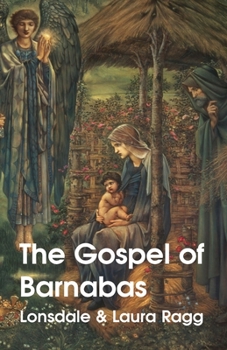
The Gospel Of Barnabas

Explore the Controversial Apocryphal Gospel
Translated into English in 1907 by scholars Lonsdale and Laura Ragg, The Gospel of Barnabas is one of the most fiercely debated and endlessly fascinating apocryphal texts in religious history. While it claims to be written by the biblical apostle Barnabas, scholars largely date the surviving manuscripts to the late Middle Ages. The text provides a sweeping, detailed narrative of the life and ministry of Jesus-but with a profound theological twist that sets it apart from the canonical New Testament.
In this gospel, the life of Jesus aligns closely with the Islamic perspective. He is portrayed as a human prophet rather than the Son of God, and the text explicitly denies the crucifixion, asserting instead that Judas Iscariot took his place on the cross. Because of its unique theological stance, the Ragg translation remains a critical document in the study of comparative religion and Christian-Islamic relations.
Inside this historically significant text, readers will explore:
Alternative Biblical Narratives: A detailed, non-canonical account of the miracles and teachings of Jesus.Comparative Theology: The fascinating intersection between early Christian history and Islamic views of Christ.A Historical Mystery: The enduring debate over the origins, authorship, and true purpose of the medieval manuscripts.Whether you are a scholar of religious history, a student of comparative theology, or a reader fascinated by the hidden texts of antiquity, The Gospel of Barnabas is a captivating and essential read.
Customer Reviews
ThriftBooks ® and the ThriftBooks ® logo are registered trademarks of Thrift Books Global, LLC
