





Book Overview
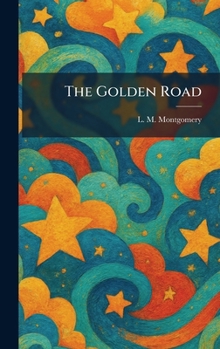
"The Golden Road" is a nostalgic and evocative tale of youth and friendship set against the pastoral beauty of Prince Edward Island. Written by L.M. Montgomery, this classic work follows the King cousins and their friends as they navigate the joys and trials of childhood during their final year together. Central to the group is the enchanting Sara Stanley, known as the Story Girl, whose vivid imagination and gift for narrative bind the companions together.
Throughout the story, the group creates their own publication, "Our Magazine," to document their daily lives, local lore, and personal milestones. As the seasons change from the vibrant blossoms of spring to the quiet hush of winter, the narrative captures the bittersweet transition from the innocence of childhood to the threshold of adulthood. The "Golden Road" of the title serves as a poignant metaphor for the fleeting time of youth-a path that must eventually be left behind but is never forgotten.
Filled with humor, heart, and Montgomery's signature descriptive prose, "The Golden Road" remains a beloved exploration of the bonds of family and the enduring power of stories. It offers a window into a bygone era, celebrating the simple pleasures and profound lessons found in the journey of growing up.
This work has been selected by scholars as being culturally important, and is part of the knowledge base of civilization as we know it. This work was reproduced from the original artifact, and remains as true to the original work as possible. Therefore, you may see the original copyright references, library stamps (as most of these works have been housed in our most important libraries around the world), and other notations in the work.
This work is in the public domain in the United States of America, and possibly other nations. Within the United States, you may freely copy and distribute this work, as no entity (individual or corporate) has a copyright on the body of the work.
As a reproduction of a historical artifact, this work may contain missing or blurred pages, poor pictures, errant marks, etc. Scholars believe, and we concur, that this work is important enough to be preserved, reproduced, and made generally available to the public. We appreciate your support of the preservation process, and thank you for being an important part of keeping this knowledge alive and relevant.
Customer Reviews
I was sent the wrong book but...
I was lost.
One of the Two books I have read over and over....
Captures children and childhood in a sweet, true light
nostalgic
One of the LM Montgomery's best books
My absolute favorite of all Montgomery's books
ThriftBooks ® and the ThriftBooks ® logo are registered trademarks of Thrift Books Global, LLC
