


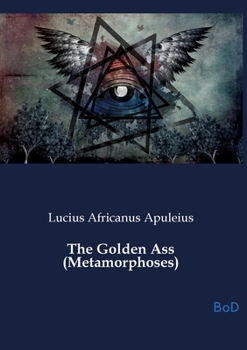
The Golden Ass (Metamorphoses)
No Customer Reviews

Apuleius's "The Golden Ass" (also known as "Metamorphoses") is introduced by Charles Whibley's critical analysis of Apuleius's unique style, literary influences, and themes including magic, the macabre, romance, realism, decadence, and allegory, alongside an evaluation of William Adlington's 16th-century English translation. The narrative begins with Lucius's journey to Thessaly, where he encounters witchcraft and murder, leading to his accidental transformation into an ass. As an ass, Lucius embarks on a picaresque journey, enduring various misfortunes and witnessing numerous human vices, tragedies, and moral failings. He is captured by thieves, hears their tales, and listens to the extended myth of Cupid and Psyche, detailing Psyche's divine beauty, Venus's jealousy, arduous trials, eventual reunion with Cupid, deification by Jupiter, and the birth of their daughter, Pleasure. Lucius, the ass, experiences escapes, recaptures, and abuse, serving various masters including a baker, a cook, and a Corinthian gentleman named Thiasus, who trains him for public performances. Fleeing a scheduled public spectacle with a condemned woman, Lucius prays to the goddess Isis. She appears to him, promising his return to human form if he eats roses during her procession. Upon his transformation back to human, Lucius is initiated into the cults of Isis and later Osiris, ultimately becoming an advocate in Rome. The novel explores profound themes of fate, morality, human nature, transformation, and the interplay of magic and reality, often conveyed with a satirical tone.
Format:Paperback
Language:English
ISBN:B0GLWVP3TC
ISBN13:9791043128592
Release Date:February 2026
Publisher:Culturea
Length:312 Pages
Weight:0.82 lbs.
Dimensions:0.7" x 5.8" x 8.3"
Customer Reviews
0 rating
Copyright © 2026 Thriftbooks.com Terms of Use
| Privacy Policy | Do Not
Sell/Share My Personal Information | Cookie Policy | Cookie Preferences | Accessibility Statement
ThriftBooks® and the ThriftBooks® logo are registered trademarks of Thrift Books Global, LLC
ThriftBooks® and the ThriftBooks® logo are registered trademarks of Thrift Books Global, LLC
