


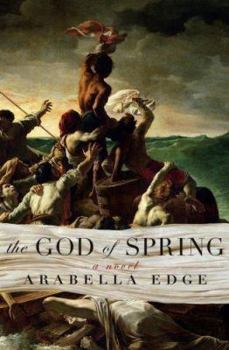
The God of Spring: A Novel


Select Format
Select Condition 
Book Overview
From the award-winning international bestselling author of The Company comes a novel inspired by the life of Romantic painter Thodore Gricault and his masterpiece painting, Raft of the Medusa.
Format:Hardcover
Language:English
ISBN:074329484X
ISBN13:9780743294843
Release Date:March 2007
Publisher:Simon & Schuster
Length:352 Pages
Weight:1.28 lbs.
Dimensions:9.8" x 1.5" x 6.5"
Related Subjects
Contemporary Fiction Genre Fiction Historical Literature & Fiction World LiteratureCustomer Reviews
1 rating
The throbbing energy of artistic passion
Published by Thriftbooks.com User , 17 years ago
Metaphor, transference and aesthetic sensibilities are paced brilliantly in this second novel by Arabella Edge, who also wuthored the award winning The Company, which described the wreck of the Batavia in the sixteenth hundreds off the coast of Australia, where to this day the once University of Bristol English professor now resides. There are plenty of reasons why Arabella Edge opted to write of a shipwreck once again, likewise in a present-tense, yet no longer a first-person narrative that evokes the perils and the affairs of fate as they are bandied about in a storm of distress. Arabella Edge is able to drive a narrative with effortless imagination, absorbing details while unveiling the fragile subjectivity of the personalities that people the story. The energy of the writing is essential to the portrayal of the passionate genius that in the face of destruction anchors the artistic sensibility of Theodore Gericalt. The tempestuous affairs of the heart are consonant analogues to the tale of betrayal, madness, murder and cannibalism abroad the life raft of the scuttled French frigate, Medusa. There writing and narrative do not pretend to be Conrad-like in the inner nihilisitc distress nor does it assume to navigte metaphysical depths as does MobyDick; however it does stay the course amidst the buffets of fate and chance and allows for the spiritual abyss that leads artistic genius to describe the nuances of the human condition with enough deft and tact to deserve a reading that entertains, astounds and provokes in ways that the best novels manage to. A soulful and gripping tale that paints a picture worth pondering over, while canvassing a portrait of human failings with mythopoetic proportions.
Copyright © 2026 Thriftbooks.com
Terms of Use | Privacy Policy | Do Not Sell/Share My Personal Information | Cookie Policy | Cookie Preferences | Accessibility Statement
ThriftBooks ® and the ThriftBooks ® logo are registered trademarks of Thrift Books Global, LLC
ThriftBooks ® and the ThriftBooks ® logo are registered trademarks of Thrift Books Global, LLC
