


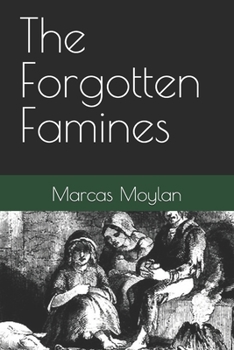
The Forgotten Famines

This comprehensive analysis of Irish famines from 1649-1879 reveals that these demographic catastrophes were not natural disasters but systematic colonial policies that used hunger as an instrument of control and demographic engineering. Through examining seven major famines, we uncover overwhelming evidence that mass Irish mortality resulted from deliberate British policy choices rather than unavoidable circumstances.
The Cromwellian famine (1651-1652) established the template, demonstrating how systematic starvation could accomplish political objectives that conventional warfare could not achieve. Subsequent famines followed consistent patterns: the elimination of traditional Irish security mechanisms, the creation of dangerous dependencies on vulnerable food sources, and the systematic restriction of relief efforts according to racial and religious hierarchies.
The most damning evidence comes from comparative analysis. During the simultaneous Highland Potato Famine (1846-1857), British authorities implemented comprehensive relief for Scottish communities while allowing mass Irish starvation. Charles Trevelyan wrote that Scottish people "cannot, under any circumstances, be allowed to starve" while viewing Irish suffering as beneficial divine punishment requiring minimal intervention.
Successful famine prevention during 1782-1784 and 1879 proves that effective relief was always technically feasible. When political will existed-either through British pragmatism or Irish political organization-mass mortality was prevented using available resources and administrative methods.
These famines constituted systematic genocide through administrative policies rather than direct military action, eliminating over two million Irish people while forcing millions more into global diaspora, permanently transforming Irish society according to colonial preferences and creating legacies that persist today.
Related Subjects
HistoryCustomer Reviews
ThriftBooks ® and the ThriftBooks ® logo are registered trademarks of Thrift Books Global, LLC
