
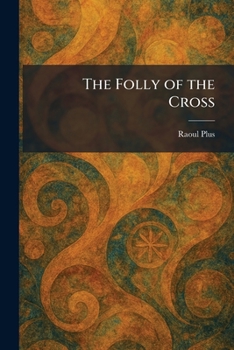
"The Folly of the Cross" is a profound exploration of Christian asceticism and the transformative power of sacrifice within the spiritual life. Written by the esteemed Jesuit author Raoul Plus, this work delves into the theological and practical implications of the Pauline concept of the "folly" of Christ's sacrifice. Plus invites readers to reconsider their perspective on suffering and trial, positioning these experiences as vital pathways toward a deeper union with God and the Mystical Body of Christ.
Through a series of insightful reflections, the author examines how the voluntary acceptance of hardship and the pursuit of humility lead to spiritual mastery. Drawing upon the examples of the saints and the core tenets of Catholic doctrine, the text emphasizes the redemptive value of the Christian vocation. "The Folly of the Cross" serves as a compelling guide for those seeking to move beyond a superficial faith toward a life of total surrender and devotion. This classic work remains an essential resource for understanding the paradoxical nature of Christian joy found through the cross.
This work has been selected by scholars as being culturally important, and is part of the knowledge base of civilization as we know it. This work was reproduced from the original artifact, and remains as true to the original work as possible. Therefore, you may see the original copyright references, library stamps (as most of these works have been housed in our most important libraries around the world), and other notations in the work.
This work is in the public domain in the United States of America, and possibly other nations. Within the United States, you may freely copy and distribute this work, as no entity (individual or corporate) has a copyright on the body of the work.
As a reproduction of a historical artifact, this work may contain missing or blurred pages, poor pictures, errant marks, etc. Scholars believe, and we concur, that this work is important enough to be preserved, reproduced, and made generally available to the public. We appreciate your support of the preservation process, and thank you for being an important part of keeping this knowledge alive and relevant.

