


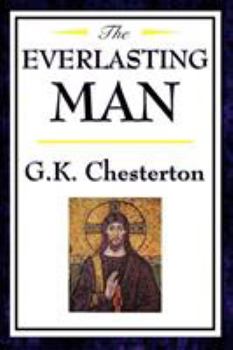
The Everlasting Man - A History and Philosophy of Humanity


Select Format
Select Condition 
Book Overview
One of the greatest works of Christian apologetics, The Everlasting Man is G. K. Chesterton's profound exploration of humanity, history, and the meaning of civilization. First published in 1925, this influential work was written as a response to popular theories that portrayed human beings as merely another stage in the evolution of the animal world. Chesterton presents a sweeping examination of mankind's unique place in history and argues for the significance of human creativity, imagination, and spiritual awareness.
Divided into two major sections, The Everlasting Man traces the story of humanity from prehistoric times through the rise of Christianity. With his characteristic wit, vivid storytelling, and deep knowledge of history and philosophy, Chesterton examines ancient civilizations, mythology, religion, and the cultural forces that shaped the modern world. His engaging style transforms complex ideas into a compelling intellectual journey.
A landmark of twentieth-century religious thought, The Everlasting Man remains one of Chesterton's most widely read and discussed books. Whether approached as theology, philosophy, cultural history, or literary criticism, it continues to challenge readers to consider the mysteries of human nature and the enduring questions at the heart of civilization.
Customer Reviews
Must read for an understanding of Christian perspective
Everlasting Brilliance!
One of the best books of the 20th Century.
Classic work on the nature of man and the Man called Christ
ThriftBooks ® and the ThriftBooks ® logo are registered trademarks of Thrift Books Global, LLC
