


The English Clown Tradition from the Middle Ages to Shakespeare
No Customer Reviews

Select Format
Select Condition 
Book Overview
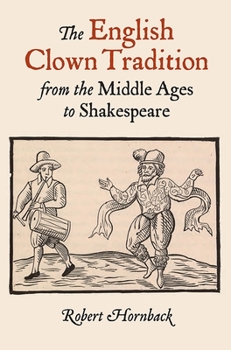
English theatrical clowns carried a weighty cultural significance from the late medieval period through to the seventeenth century, only to have it stripped from them, sometimes violently, at the close of the Renaissance, when the license' of fooling was revoked. This survey of clown traditions during the period looks at their history and reveals their hidden cultural contexts and legacies. It has far-reaching implications not only for a general understanding of English clown types, but also for understanding their considerable role in defining social, religious and racial boundaries. The study begins with an exploration of previously misconstrued early representations of blackness in medieval psalters, cycle plays, and Tudor interludes, arguing that such depictions are more emblematic of folly and ignorance than of evil. Other elements of the clown tradition examined here include the patronage of a clownish, iconoclastic Lord of Misrule by Protestants at Cambridge and at court during the reigns of Henry VIII and Edward; the Puritan clown of the Elizabethan stage; and the Fool in King Lear, about whom fresh and provocative conclusions are reached. The epilogue focuses on the satirical clowning which took place surreptitiously in the Interregnum, and the causes and manner of the revoking of licensed' foolery.
Format:Paperback
Language:English
ISBN:1843843560
ISBN13:9781843843566
Release Date:July 2013
Publisher:Boydell & Brewer
Length:256 Pages
Weight:0.81 lbs.
Dimensions:0.5" x 6.1" x 9.2"
Customer Reviews
0 rating
Copyright © 2026 Thriftbooks.com Terms of Use
| Privacy Policy | Do Not
Sell/Share My Personal Information | Cookie Policy | Cookie Preferences | Accessibility Statement
ThriftBooks® and the ThriftBooks® logo are registered trademarks of Thrift Books Global, LLC
ThriftBooks® and the ThriftBooks® logo are registered trademarks of Thrift Books Global, LLC
