


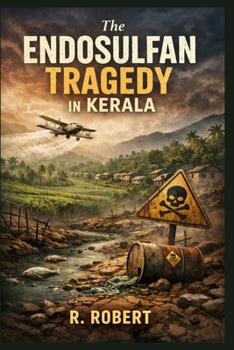
The Endosulfan Tragedy in Kerala

The Endosulfan Tragedy in Kerala is one of the most devastating environmental and human disasters in modern India-yet it remains largely underrepresented in mainstream discourse.
For over two decades, aerial spraying of Endosulfan in the Kasaragod district exposed thousands of people to a highly toxic pesticide. The consequences were severe and long-lasting. More than 10,000 individuals were affected, with many suffering from congenital disabilities, neurological disorders, cancers, and chronic illnesses. Generations continue to bear the impact.
This book presents a comprehensive and evidence-based account of the tragedy. It traces the history of pesticide use, examines the scientific and medical findings, and analyses the institutional failures that allowed the crisis to persist for years. It also brings forward the voices of affected communities, highlighting their struggles for justice, recognition, and rehabilitation.
Through detailed research and critical analysis, this work explores the intersection of environment, public health, law, and governance. It sheds light on how regulatory gaps, delayed responses, and systemic negligence contributed to one of the most significant public health crises in Kerala.
This is not only a record of suffering-it is also a story of resilience, activism, and the ongoing fight for accountability.
Customer Reviews
ThriftBooks ® and the ThriftBooks ® logo are registered trademarks of Thrift Books Global, LLC
