


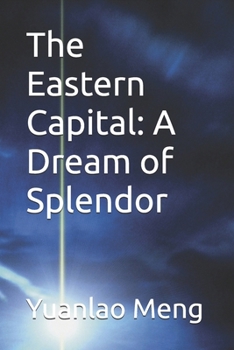
The Eastern Capital: A Dream of Splendor

A City Like No Other
When Kaifeng served as the imperial capital, it was arguably the largest and most vibrant city on Earth, home to over one million residents. This detailed chronicle captures the rhythm of urban life in all its splendor: from the imposing forty-li circumference of the outer city walls to the bustling night markets that never slept, from imperial processions featuring elephants and dragon boats to humble street vendors selling their wares.
What You'll Discover:
Urban Infrastructure: Detailed descriptions of city gates, waterways, bridges, and the sophisticated canal system that supplied the capitalImperial Splendor: Inside accounts of palace ceremonies, royal processions, and the magnificent Lantern Festival celebrationsDaily Commerce: The vibrant marketplace culture, from the seventy-two licensed taverns to specialized shops selling everything from medicinal herbs to exotic importsEntertainment Districts: The "Wa Zi" pleasure quarters with their theaters, restaurants, and performances featuring acrobats, storytellers, and courtesansFestivals and Rituals: Complete accounts of seasonal celebrations including Spring Festival, Qingming, Dragon Boat Festival, Mid-Autumn, and Winter SolsticeSocial Customs: Marriage ceremonies, childbirth traditions, funeral practices, and the intricate etiquette of Song societyCulinary Delights: Extensive descriptions of restaurants, street food, seasonal delicacies, and the sophisticated dining cultureImperial Ceremonies: Eyewitness accounts of grand state rituals, including the elaborate suburban altar sacrifices and imperial banquetsA Window into a Lost World
Written by Meng Yuanlao, who witnessed the capital's glory before its fall to Jurchen invaders in 1127, this work preserves memories of a civilization at its zenith. His nostalgic yet precise observations document everything from the water-puppet shows on Golden Bright Pool to the intricate protocols of imperial court ceremonies, from the seasonal flowers sold in markets to the military drills performed before the emperor.
Perfect for:
Students and scholars of Chinese history and cultureReaders interested in medieval urban life and social historyThose fascinated by imperial China and the Song DynastyAnyone curious about daily life in premodern civilizationsHistorical Significance
This text is considered one of the most important sources for understanding Song Dynasty urban culture. Its detailed observations have proven invaluable to historians, archaeologists, and cultural researchers seeking to reconstruct the material and social life of medieval China. The author's keen eye for detail preserves information found nowhere else, from the exact layout of the imperial palace to the names of famous performers and the prices of street food.
Experience the grandeur, sophistication, and vitality of Song Dynasty China through the eyes of someone who lived it. Dreams of Capital is not just history-it's a time machine to one of humanity's greatest urban achievements.Note: This translation presents the complete ten-volume text, maintaining the author's original structure and detailed observations while making this essential historical document accessible to English readers.
Customer Reviews
ThriftBooks ® and the ThriftBooks ® logo are registered trademarks of Thrift Books Global, LLC
