


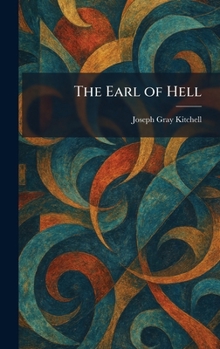
The Earl of Hell

"The Earl of Hell" is a compelling work of early 20th-century speculative fiction that masterfully blends scientific intrigue with pulse-pounding adventure. The story centers on a visionary scientist whose groundbreaking discovery-a means of neutralizing and controlling the force of gravity-threatens to upend the natural order of the world. As this revolutionary technology is unleashed, it leads to a series of high-stakes conflicts and an exploration of the moral responsibilities that accompany great scientific power.
Set against a backdrop of intellectual curiosity and dramatic peril, the narrative follows characters as they grapple with the implications of an invention that could either elevate humanity or lead it toward destruction. Joseph Gray Kitchell crafts a tale rich in the atmosphere of the 1920s, capturing the era's fascination with the frontiers of physics and the unknown. "The Earl of Hell" stands as a significant example of the scientific romance genre, offering modern readers a window into the historical roots of science fiction and the timeless human desire to master the forces of nature.
This work has been selected by scholars as being culturally important, and is part of the knowledge base of civilization as we know it. This work was reproduced from the original artifact, and remains as true to the original work as possible. Therefore, you may see the original copyright references, library stamps (as most of these works have been housed in our most important libraries around the world), and other notations in the work.
This work is in the public domain in the United States of America, and possibly other nations. Within the United States, you may freely copy and distribute this work, as no entity (individual or corporate) has a copyright on the body of the work.
As a reproduction of a historical artifact, this work may contain missing or blurred pages, poor pictures, errant marks, etc. Scholars believe, and we concur, that this work is important enough to be preserved, reproduced, and made generally available to the public. We appreciate your support of the preservation process, and thank you for being an important part of keeping this knowledge alive and relevant.
Customer Reviews
ThriftBooks ® and the ThriftBooks ® logo are registered trademarks of Thrift Books Global, LLC
