


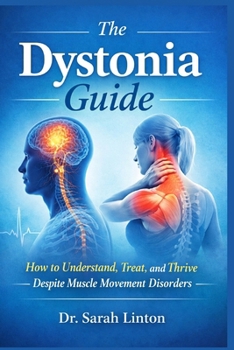
The Dystonia guide

Dystonia can turn ordinary movements into unexpected challenges. Muscle contractions, twisting movements, abnormal postures, tremors, pain, and difficulty with everyday activities can affect work, relationships, independence, and quality of life. Yet dystonia is often misunderstood, and reaching the right diagnosis and treatment can take time.The Dystonia Guide provides a clear, practical introduction to understanding this complex neurological movement disorder. Written for patients, families, caregivers, and readers seeking reliable medical information, this guide explains dystonia in accessible language while maintaining the clinical detail needed to make sense of symptoms, diagnosis, and treatment.Inside, readers will explore the different forms of dystonia, how and why it develops, common symptoms and patterns, the diagnostic process, and conditions that may resemble dystonia. The book also examines current treatment approaches, including medications, botulinum toxin injections, rehabilitation, physical and occupational therapy, and advanced interventions such as deep brain stimulation.Beyond medical treatment, the guide addresses living with dystonia day to day, including managing pain, fatigue, stress, mobility challenges, work and social difficulties, and changes in independence.Whether you are newly diagnosed, supporting someone with dystonia, or trying to better understand persistent movement symptoms, this book offers a practical framework for navigating the condition, communicating effectively with healthcare professionals, and making informed decisions about care.Understand the condition. Recognize the challenges. Explore treatment options. Build a more informed path forward with dystonia.
Customer Reviews
ThriftBooks ® and the ThriftBooks ® logo are registered trademarks of Thrift Books Global, LLC
