


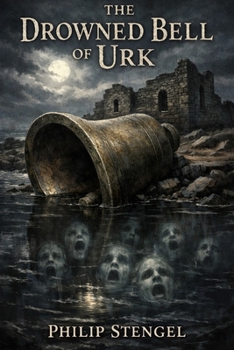
The Drowned Bell of Urk

In 1673, reformers strip the old chapel of Urk, drag down its sacred bell, and cast De Drenkeling, the Drowned One, into the sea. The village thinks it has lost a relic. What it has really done is teach the bell a new place to ring from. Centuries later, after a brutal storm tears open the reclaimed shoreline, the buried chapel rises from the mud and the first resonance rolls up through the village from below. It is not heard in the air. It is felt in the bones.
The next morning, seventeen-year-old Kees Visser is found drowned in his bed, lungs full of old seawater, salt in his lashes, and no drop of water anywhere in the room. After that, the mirrors begin to change. Glass clouds from within. Faces press through condensation. Reflections lag, warp, and start trying to move first. As the village of Urk falls under the pressure of buried sound, old bloodlines, and drowned memory, Jan Willem, Elara, Hans Visser, Gijs van der Meer, and the last keepers of the island's older knowledge realize they are not facing a haunting in the ordinary sense. They are facing a system waking up beneath them.
What follows is not only a ghost story but a siege of memory, reflection, and place. The Drowned Bell of Urk is North Sea gothic horror about drowned faith, inherited guilt, and the terror of discovering that what the sea keeps is never truly lost. It is altered, recorded, and one day returned.
Customer Reviews
ThriftBooks ® and the ThriftBooks ® logo are registered trademarks of Thrift Books Global, LLC
