



Select Format
Select Condition 
Book Overview
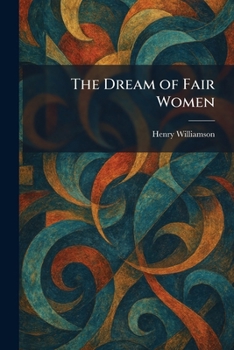
Williamson's prose is deeply atmospheric, capturing the natural beauty of the Devon landscape with the same sensitivity he brings to the psychological scars of his protagonist. The work serves as a significant example of early 20th-century British literature, reflecting the collective disillusionment of a generation trying to reconcile the past with an uncertain future. Through its exploration of love, nature, and the persistent shadows of combat, "The Dream of Fair Women" offers a haunting portrait of a man attempting to rebuild his soul amidst the ruins of old ideals. It remains a powerful testament to the enduring human quest for connection and meaning in the aftermath of catastrophe.
This work has been selected by scholars as being culturally important, and is part of the knowledge base of civilization as we know it. This work was reproduced from the original artifact, and remains as true to the original work as possible. Therefore, you may see the original copyright references, library stamps (as most of these works have been housed in our most important libraries around the world), and other notations in the work.
This work is in the public domain in the United States of America, and possibly other nations. Within the United States, you may freely copy and distribute this work, as no entity (individual or corporate) has a copyright on the body of the work.
As a reproduction of a historical artifact, this work may contain missing or blurred pages, poor pictures, errant marks, etc. Scholars believe, and we concur, that this work is important enough to be preserved, reproduced, and made generally available to the public. We appreciate your support of the preservation process, and thank you for being an important part of keeping this knowledge alive and relevant.
Customer Reviews
ThriftBooks ® and the ThriftBooks ® logo are registered trademarks of Thrift Books Global, LLC
